A Bite, A Lesson: Why Rabies Still Matters in Sri Lanka
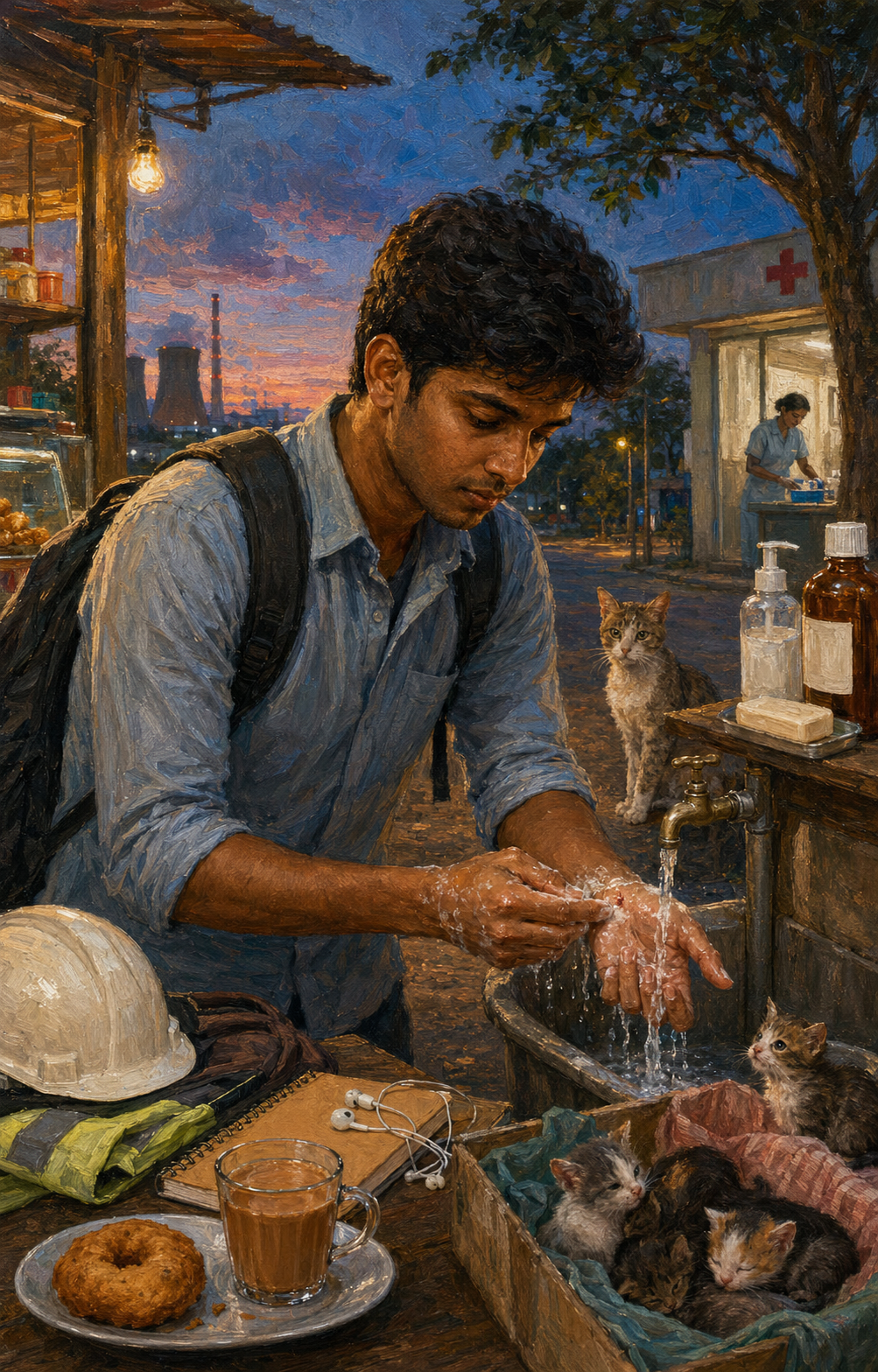
Jayanath is the kind of young man you instantly like, bright, curious, full of life. A 24-year-old engineering student studying in the UK, he had returned to Sri Lanka for his internship at a power station. Music, animals, adventure he loved them all.
One evening, on his way home, he stopped for a plain tea and a vadai. That’s when he saw them—tiny newborn kittens, huddled together, barely a few days old. Like many of us would, he couldn’t resist. He bent down, picked one up, and began gently petting it.
A moment later, a sharp nip.
A small bite.
A little blood.
“It’s nothing,” he thought.
But in Sri Lanka, that “nothing” could be something serious.
What is Rabies?
Rabies is a fatal viral infection that affects the brain and nervous system. It is caused by the Rabies virus and is transmitted through the saliva of infected animals, most commonly via:
Bites
Scratches
Licks on broken skin or mucosa
Once symptoms appear, rabies is almost 100% fatal. The tragedy? It is completely preventable if treated early.
How Common is Rabies in Sri Lanka?
Sri Lanka has made significant progress in controlling rabies, but it still exists.
Dozens of human deaths are reported annually
Thousands of people require treatment after animal bites
Dogs remain the main reservoir, but cats, monkeys, and bats can also transmit the virus
Unlike countries such as the UK (where rabies is effectively eliminated), Sri Lanka remains endemic—which means every bite matters.
What Should You Do After a Bite or Scratch?
Jayanath did one thing right—he came early.
Immediate First Aid (DO THIS FIRST!)
Wash the wound immediately
Soap + running water
At least 15–20 minutes
Apply povidone-iodine or antiseptic
Then - SEEK MEDICAL CARE URGENTLY
Visit the nearest hospital or Anti-Rabies Unit.
Doctors will assess:
Type of exposure
Animal involved
Severity and location of wound
Treatment: What Shots Did Jayanath Get?
Based on Sri Lankan national guidelines:
1. Anti-Rabies Vaccine (ARV)
Given in a series of doses (commonly 4–5 doses)
Usually on Day 0, 3, 7, and 14
2. Rabies Immunoglobulin (RIG)
Given for Category III exposures (e.g., bleeding bites)
Injected around the wound
Provides immediate passive immunity
Jayanath needed 4 vaccine doses because he had a bite with bleeding.
Your Responsibility as a Pet Owner
Rabies prevention is not just a medical issue, it’s a community responsibility.
If you have pets:
Vaccinate your dog/cat annually against rabies
Do not allow pets to roam freely
Seek veterinary care for sick animals
Teach children:
Avoid touching unknown animals
Do not disturb animals while eating or with newborns
Report bites immediately
And remember:
Love for animals must be paired with respect and caution.
What Services Are Available in Sri Lanka?
Sri Lanka has a well-established anti-rabies programme under the Ministry of Health:
Anti-Rabies Units (ARUs) in major hospitals

Free or subsidized post-exposure vaccination
Availability of Rabies Immunoglobulin
Public health education campaigns
Mass dog vaccination and sterilization programmes
These services are life-saving and widely accessible.
Key Takeaways
Rabies is deadly but preventable
Any bite or scratch = medical emergency
Immediate washing + early vaccination saves lives
Sri Lanka still has rabies—never ignore a bite
Responsible pet ownership is crucial
Closing Reflection
Jayanath walked away with four injections, and a story to tell.
He never saw the kitten again.
But more importantly, he lived to tell the tale.
Sometimes, the smallest encounters carry the biggest lessons.
In Sri Lanka, even a playful kitten can be a reminder:
Respect animals. Act early. Save lives.


